
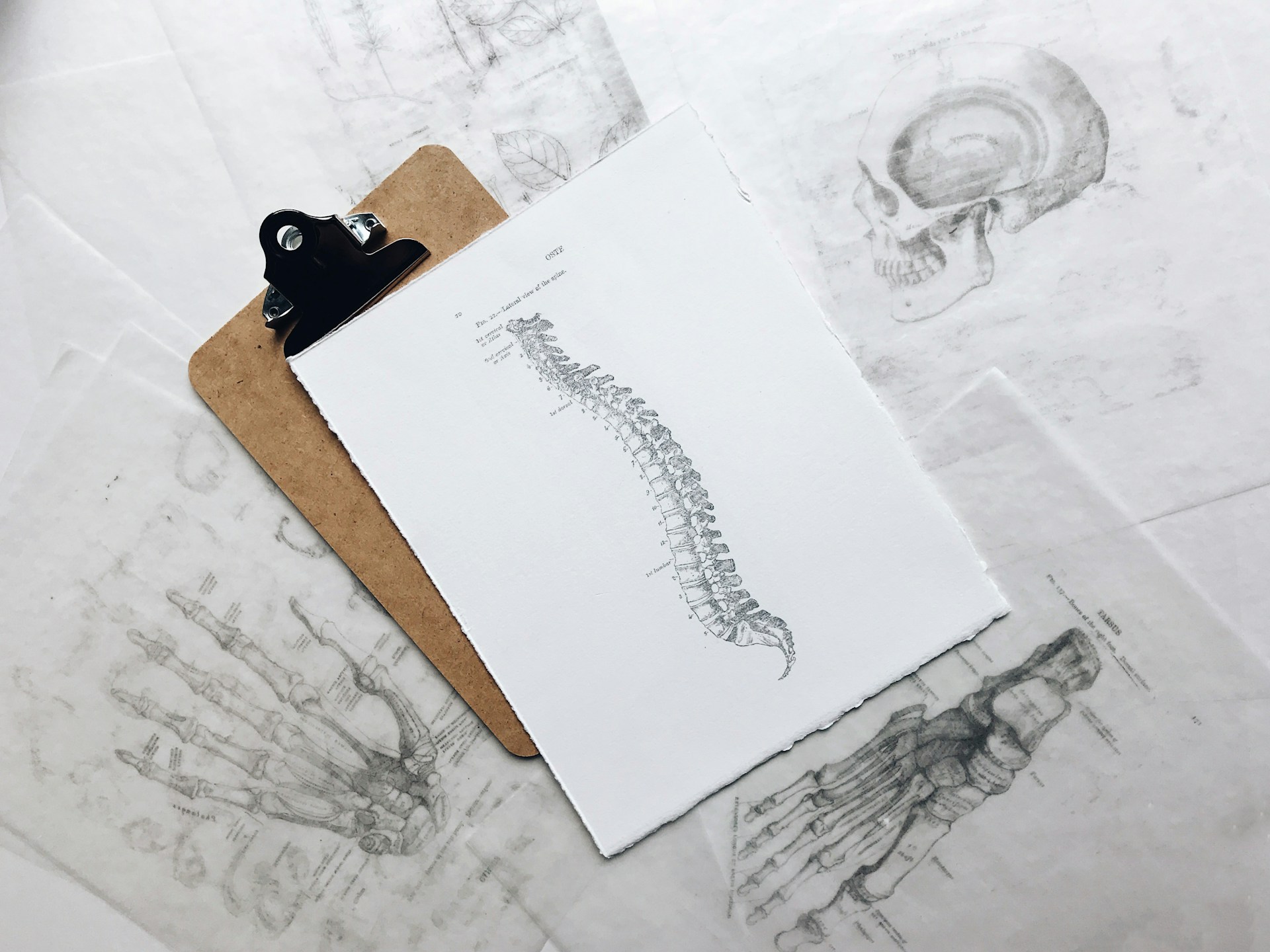
Back pain is one of the most common complaints among adults—but not all back pain is caused by physical injury. Many people don’t realize that emotional stress, anxiety, and chronic tension can directly trigger or worsen discomfort in the upper, mid, or lower back. This raises an important question: can stress cause back pain? The answer is yes—stress can absolutely contribute to back pain, and understanding how it works can help you find effective relief.
How stress causes back pain
Stress affects both the body and mind. When you’re under emotional or mental strain, your body releases stress hormones that trigger muscle tightening and inflammation. Over time, this can lead to persistent back pain. The most common mechanisms include:
- Muscle tension — stress causes the muscles in the neck, shoulders, and lower back to tighten and spasm.
- Poor posture — stress often leads to hunching, shallow breathing, and protective body positions that strain the spine.
- Nerve sensitivity — anxiety can heighten your awareness of pain signals.
- Grinding or clenching — jaw tension can spread down the neck into the upper back.
- Increased inflammation — high stress levels can make musculoskeletal pain worse.
What does stress-related back pain feel like?
Stress-induced back pain often presents differently than pain from physical injury. It may feel like:
- A dull ache across the lower back
- Tightness or stiffness in the shoulders or upper back
- Burning or pressure between the shoulder blades
- Pain that worsens during stressful situations
- Muscle spasms triggered by anxiety or tension
Stress vs. injury: how to tell the difference
Your pain is more likely stress-related if:
- It comes and goes with emotional stress
- There is no known injury or accident
- Pain improves with relaxation or stretching
- You notice tightness rather than sharp pain
Your pain may be injury-related—not stress-related—if it began after a car accident, workplace injury, or involves numbness, weakness, or radiating leg pain.
How to relieve stress-related back pain at home?
These strategies can provide fast relief:
- Gentle stretching — releases muscle tension in the back and hips.
- Heat therapy — relaxes tight muscles and increases blood flow.
- Deep breathing exercises — reduce stress and calm the nervous system.
- Walking or light movement — boosts circulation and eases stiffness.
- Posture improvement — helps reduce strain on the spine.
- Mindfulness or relaxation techniques — lower stress levels, reducing muscle tension.
When to see a doctor for back pain?
Seek medical attention if your back pain:
- Lasts longer than 1–2 weeks
- Radiates into the hip, buttock, or leg
- Began after a car accident or work injury
- Is accompanied by numbness, tingling, or weakness
- Interferes with sleep or daily activities
Medical treatments for persistent back pain
Even when stress is a contributing factor, structural problems may also be present. At Allied Neurology & Interventional Pain Practice, we offer advanced, non-surgical treatments including:
- Epidural steroid injections — reduce nerve inflammation
- Nerve blocks — provide immediate pain relief
- Trigger point injections — release tight, stressed muscles
- Radiofrequency ablation — long-term relief for chronic pain
- Rehabilitation therapy — strengthens the spine and reduces stress-related tension
Expert care for back pain and stress-related symptoms
Stress can contribute to back pain—but medical issues may also be involved. At Allied Neurology & Interventional Pain Practice, Dr. Dariusz Nasiek, MD, evaluates the underlying cause of your pain and provides targeted treatments for long-lasting relief.
Need help with chronic back pain? Call 201-894-1313 or schedule your consultation today for expert diagnosis and treatment.