A Clear, Step-by-Step Approach to Diagnosis and Relief
After a car accident, fall, or workplace injury, many patients are left with unanswered questions. Pain may persist, symptoms may change, and standard tests often come back “normal.” At Allied Neurology and Interventional Pain Practice, the focus is on finding clear answers first—then providing targeted, effective treatment.
Our approach is built around one core principle: the best treatment begins with the right diagnosis. By combining advanced neurological evaluation with interventional pain management, we help patients understand what is happening in their bodies and move forward with confidence.
Why Symptoms After an Accident Are Often Missed
Not all injuries are immediately visible. The brain, spine, and nervous system can be affected even when X-rays or basic exams show no obvious damage. Conditions such as concussion, traumatic brain injury (TBI), nerve compression, or balance and memory problems may develop gradually over days or weeks.
Patients often report:
- Ongoing neck or back pain
- Headaches or dizziness
- Numbness, tingling, or weakness
- Difficulty concentrating or remembering
- Sleep disturbances or mood changes
Without a focused neurological evaluation, these symptoms may be misunderstood or attributed to stress or muscle strain alone.
Starting With a Thorough Neurological Evaluation
At Allied Neurology and Interventional Pain Practice, care begins with a detailed neurological assessment. This includes a careful discussion of how the injury occurred, when symptoms began, and how they are evolving over time.
The evaluation may assess:
- Memory, focus, and mental clarity
- Muscle strength and reflexes
- Sensation and nerve function
- Balance, coordination, and gait
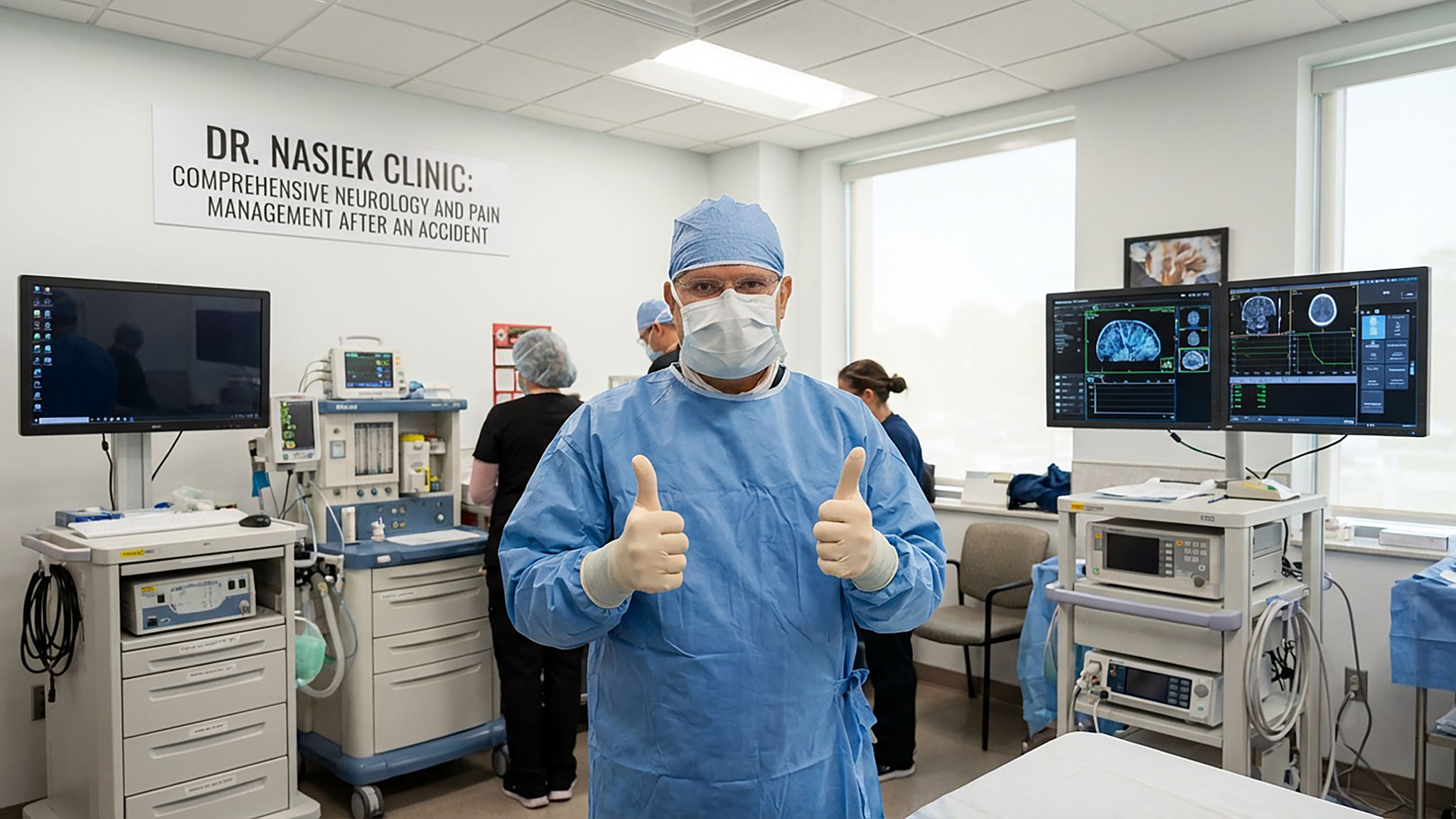
When needed, advanced diagnostic tools such as MRI, CT imaging, or nerve studies are used to gain a clear picture of the injury. This step is critical to ensuring that no important condition is overlooked and that treatment is based on objective findings.
From Diagnosis to Targeted Pain Treatment
Once the source of symptoms is identified, a personalized treatment plan is developed. Interventional pain management focuses on treating the cause of pain—not just masking it with medication.
Depending on the diagnosis, treatment options may include:
- Epidural injections for neck or back pain that radiates into the arms or legs
- Facet or medial branch blocks for spine-related joint pain
- Nerve blocks for specific nerve injuries
- Other image-guided procedures designed to reduce inflammation and improve mobility
These minimally invasive treatments are performed using X-ray or ultrasound guidance to ensure precision and safety. Many patients experience significant pain relief while also gaining clarity about the true source of their symptoms.
One Coordinated Team Focused on Your Recovery
A unique advantage of Allied Neurology and Interventional Pain Practice is that neurological care and pain management are provided within one coordinated medical practice. This means:
- Fewer referrals and less confusion
- Clear communication between specialists
- A treatment plan that evolves as your condition improves
For patients, this translates into more efficient care, better understanding of their condition, and a smoother recovery process.
How This Approach Benefits Patients
Patients benefit from this integrated model in several important ways:
- Clear answers about the cause of pain and symptoms
- Personalized care based on precise diagnosis
- Faster progress from evaluation to treatment
- Reduced trial-and-error with unnecessary treatments
- Better documentation for insurance or accident-related claims
Most importantly, patients feel heard, understood, and supported throughout their recovery.
Dedicated to Accurate Diagnosis and Lasting Relief
At Allied Neurology and Interventional Pain Practice, accident-related injuries are approached with care, precision, and transparency. By starting with a comprehensive neurological evaluation and following with targeted interventional treatment, patients receive care that is both thorough and effective.
If you are experiencing lingering pain, neurological symptoms, or unanswered questions after an accident, a structured, diagnosis-driven approach can make all the difference.
Dariusz Nasiek, MD
Triple Board-Certified Pain Specialist
Allied Neurology and Interventional Pain Practice