
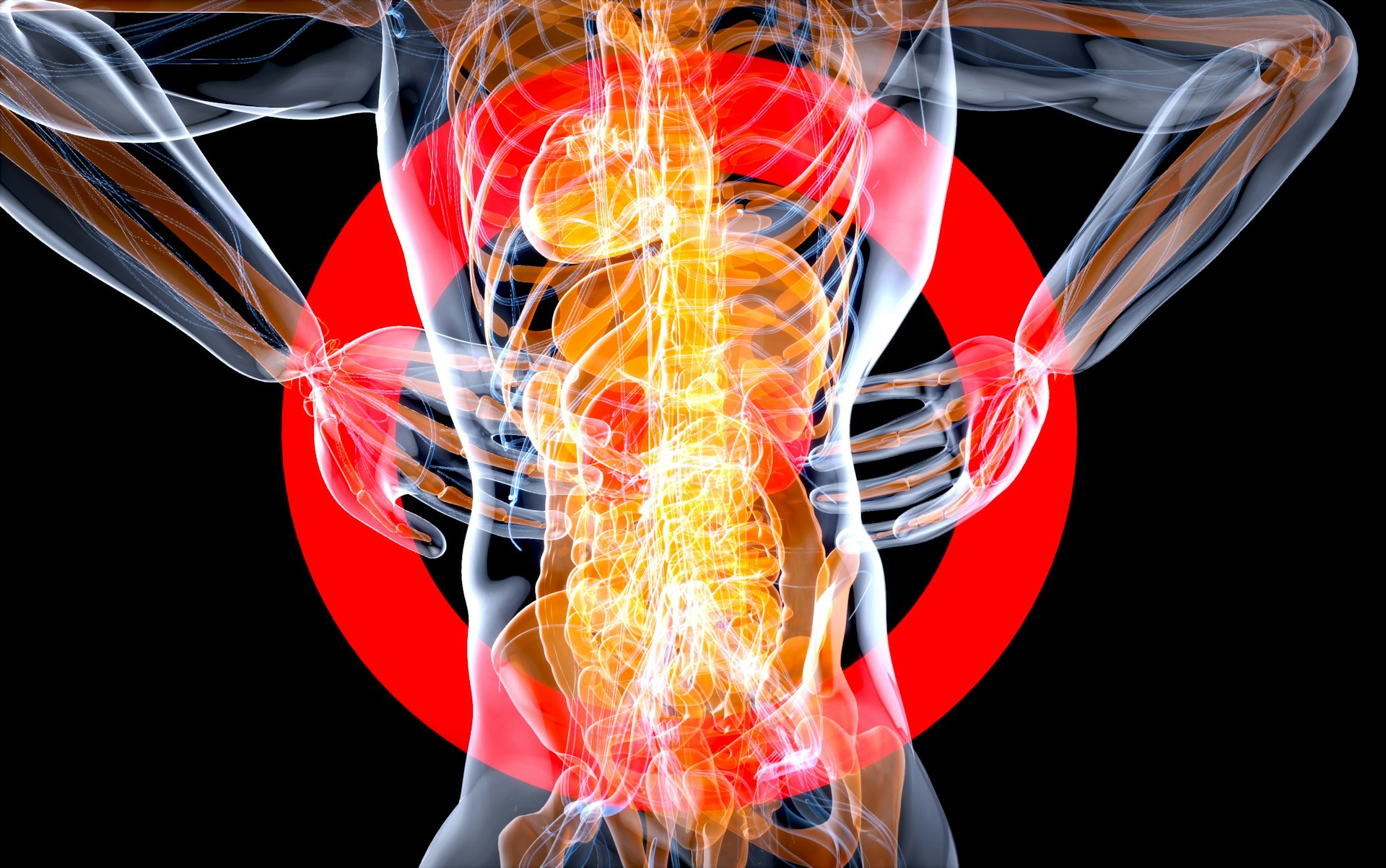
Lower back pain when bending over is one of the most common signs of a spine, nerve, or soft tissue issue. The pain may feel sharp, stiff, pulling, or radiating into the hip or leg. For some, the discomfort happens only during movement; for others, it becomes constant and interferes with daily activities. Understanding what’s causing the pain is the first step toward proper treatment and long-lasting relief.
Why does my lower back hurt when I bend over?
When you bend forward, the lower spine and surrounding muscles work together to support your body weight. If any of these structures are irritated, inflamed, or injured, bending can trigger significant pain. Common causes include:
- Herniated or bulging discs — bending forward increases pressure on spinal discs, which may compress nearby nerves.
- Muscle strain or ligament sprain — often caused by lifting, twisting, or sudden movements.
- Sciatica — nerve compression causes sharp, radiating pain down the leg.
- Degenerative disc disease — worn discs cause stiffness and pain during bending.
- Facet joint dysfunction — irritated joints in the spine limit movement and cause bending pain.
- SI joint dysfunction — bending stresses the sacroiliac joint, causing low back or hip pain.
- Accidents or workplace injuries — trauma can lead to hidden soft tissue or nerve damage.
Symptoms commonly associated with bending-related back pain
Depending on the cause, you may experience:
- Sharp or stabbing pain when bending forward
- Pain that radiates into the buttock, hip, or leg
- Stiffness after sitting or resting
- Numbness or tingling in the lower extremities
- Difficulty returning to an upright position
How to relieve lower back pain when bending over at home
For mild or early-stage pain, these strategies may offer relief:
- Ice therapy to reduce inflammation after strain
- Heat therapy to relax tight muscles
- Gentle stretching of the hamstrings, hips, and lower back
- Proper lifting technique (bend at the knees, not the waist)
- Anti-inflammatory medication when appropriate
- Short walks to reduce stiffness and improve circulation
These methods can help temporarily but won’t fix deeper structural issues like disc herniation or nerve compression.
When lower back pain while bending is serious
You should see a specialist if you experience:
- Pain lasting longer than 1–2 weeks
- Pain following a car accident or workplace injury
- Radiating pain down the leg (possible sciatica)
- Numbness, tingling, or weakness
- Difficulty bending, lifting, or standing upright
Professional treatments for lower back pain when bending over
At Allied Neurology & Interventional Pain Practice, we offer advanced, non-surgical treatments that target the root cause of back pain, including:
- Epidural steroid injections — reduce inflammation from disc issues
- Nerve blocks — provide immediate, targeted relief
- Radiofrequency ablation (RFA) — long-term relief for chronic nerve pain
- Trigger point injections — address muscle spasms and tightness
- PRP therapy — promotes natural healing of injured tissues
- Rehabilitation therapy — strengthens the spine and improves flexibility
- SI joint injections — relieve pain originating from the sacroiliac joint
Lower back pain after an accident
Trauma from car accidents or workplace injuries is a major cause of sudden lower back pain during bending. These injuries may involve discs, nerves, or soft tissues and often require prompt medical evaluation to prevent long-term complications.
Expert care for bending-related back pain
At Allied Neurology & Interventional Pain Practice, Dr. Dariusz Nasiek, MD, brings over 35 years of experience diagnosing and treating lower back pain using advanced, non-surgical techniques. His goal is to eliminate pain at the source and help patients return to normal, active living.
Struggling with lower back pain when bending? Call 201-894-1313 or schedule your consultation today for expert care.