We treat spine, shoulder, knee and head injuries from work accidents at four offices in New Jersey and one in Rego Park. Here is how we approach diagnosis, which procedures we use, and why an office close to home affects how well patients recover.
The work injuries we see most often
Most people who come to us after a work accident have a problem with the cervical or lumbar spine. The most common diagnoses are:
- herniated discs
- compressed nerve roots
- sciatica
- shoulder and knee injuries caused by a fall or by lifting
We are also seeing a growing number of patients who hit their head on the job. Concussion can be deceptive: headaches, dizziness, and problems with concentration, memory or sleep may not appear for several days or even weeks, which makes them easy to overlook. In our experience, most of these injuries respond well to treatment when we start early and keep going without interruptions.
Diagnosis: where we begin
The first step is a detailed evaluation. We perform a neurological exam, assess the pain and order imaging studies. When the situation calls for it, we add an EEG. Based on the results, we build a plan around the individual patient and the specific injury.
For head injuries, we carry out a complete evaluation together with our neurologist, Dr. Rikki Racela, MD.
Interventional pain management and other treatment options
Depending on the diagnosis, a plan may include:
- conservative care and rehabilitation
- nerve blocks
- epidural injections
- radiofrequency ablation
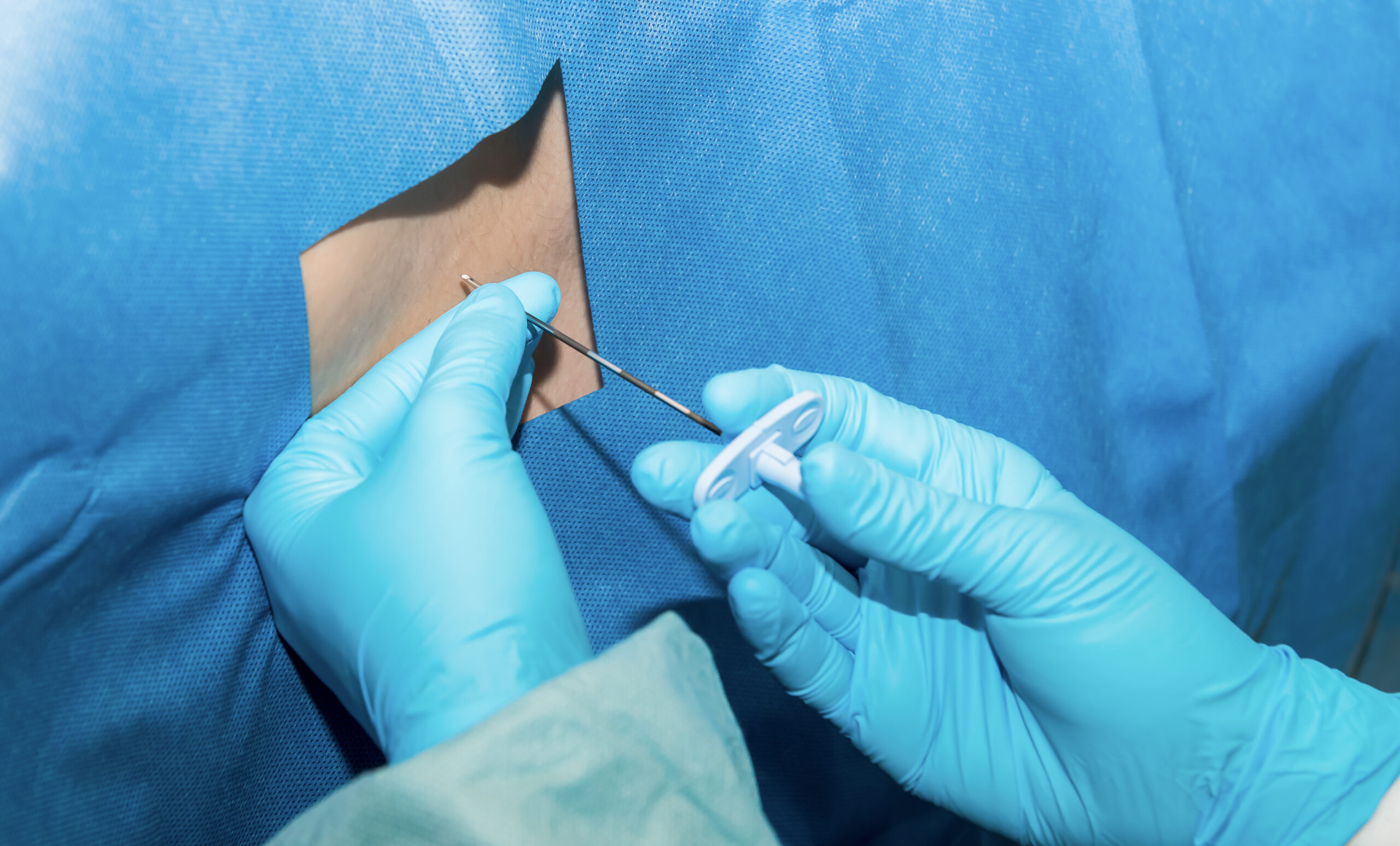
We perform interventional procedures under imaging guidance, which improves their precision and safety. Patients go home the same day. Our aim stays the same in every case: less pain, restored function and a safe return to work.
Why we treat patients close to where they live
Many of our patients live in New Jersey and work in New York. With acute back pain, a 90-minute ride by car or bus is a real strain. Sitting raises the pressure on the discs, and inflammation and pain radiating into the legs get worse. Some people reach the office in worse condition than when they set out.
Safety counts too. After an interventional procedure, and particularly after sedation, patients cannot drive themselves. A family member has to take time off, bring the patient in and take them home. If the office is in Manhattan, that usually adds up to an entire day.
Continuity matters most of all. Pain treatment usually involves a series of visits, a post-procedure check, an assessment of how the body has responded and changes to the plan. A patient exhausted by travel is more likely to skip appointments, and each gap raises the chance that the pain settles in as chronic pain. Once pain has lasted beyond three months, treating it becomes much harder, because the nervous system starts reacting to it with heightened sensitivity.
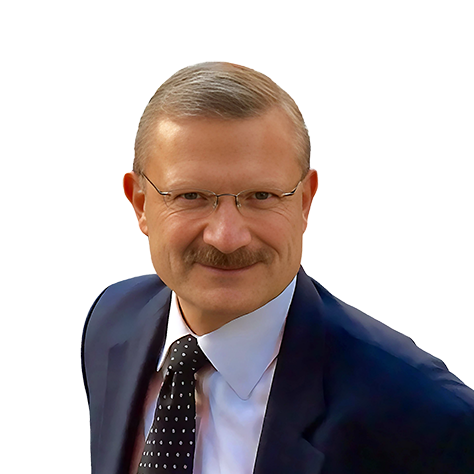
“Treatment close to home means less stress, less pain on the way, and better results,” says Dr. Dariusz Nasiek.
NY Workers’ Compensation care at our New Jersey offices
In New York, the patient is the one who chooses the doctor. Dr. Dariusz Nasiek, who leads our practice, holds formal authorization from the NY Workers’ Compensation Board (WCB). For years we have cared for patients with New York Workers’ Compensation cases at our Rego Park office, and we now provide the same standard of care in Englewood, Garfield, Elizabeth and East Orange as well. The cost of treatment is covered by the employer’s insurance.
Documentation that follows the Medical Treatment Guidelines
We treat documentation as part of care, not as a formality. We describe the course of the injury, test results and the patient’s progress in detail, following New York’s Medical Treatment Guidelines. As a result, approval of procedures is not held up without reason, and the patient’s attorney gets reports on schedule. Patients do not have to manage any of this and can concentrate on recovering.
How to schedule a visit
The sooner we make a diagnosis and start treatment, the better the results we can expect. “Don’t wait,” is Dr. Nasiek’s advice to anyone who has just been injured.
If you are already seeing another doctor and the travel is wearing you down, in most cases you can change doctors. One phone call is enough. We speak Polish, we review the information about your case, and we usually schedule a visit within a few days at the office nearest your home. For patients who need legal help, we can help them connect with an experienced attorney.
Call 201-894-1313 or reach out online: contact form
About our practice
Allied Neurology & Interventional Pain Practice, P.C. provides pain treatment, neurology, care for head injuries and concussion, and medical documentation. The practice is led by Dr. Dariusz Nasiek, MD, who holds triple board certification (Board-Certified Anesthesiologist, Board-Certified in Pain Medicine, Board-Certified Interventional Pain Physician), formal authorization from the NY Workers’ Compensation Board, more than 35 years of experience, and co-authorship of the book “Brain Impact” about brain injuries after accidents.
- New Jersey offices: Englewood (185 Grand Avenue), Garfield, Elizabeth, East Orange
- New York offices: Rego Park, Washington Heights
- Phone 201-894-1313, www.alliedspineinstitute.com
- We speak Polish.
This article is for informational purposes only and does not replace an individual medical consultation or legal advice.